


Outdoor Appliance Safety: How We Help You Cook Outside With Confidence

In our company, we see outdoor kitchens as a place for family and friends. But heat, gas, and electricity require real discipline. That is why we always start with safety basics before we build or install anything.
We create outdoor cooking areas where burns are less likely. Use long-handled tools and heat-resistant gloves. Keep your hands away from hot grates unless the unit is fully off and cooled. We also recommend a simple “grilling dress code.” Avoid loose sleeves, hanging strings, and wide clothing. An apron helps keep fabric close to your body.
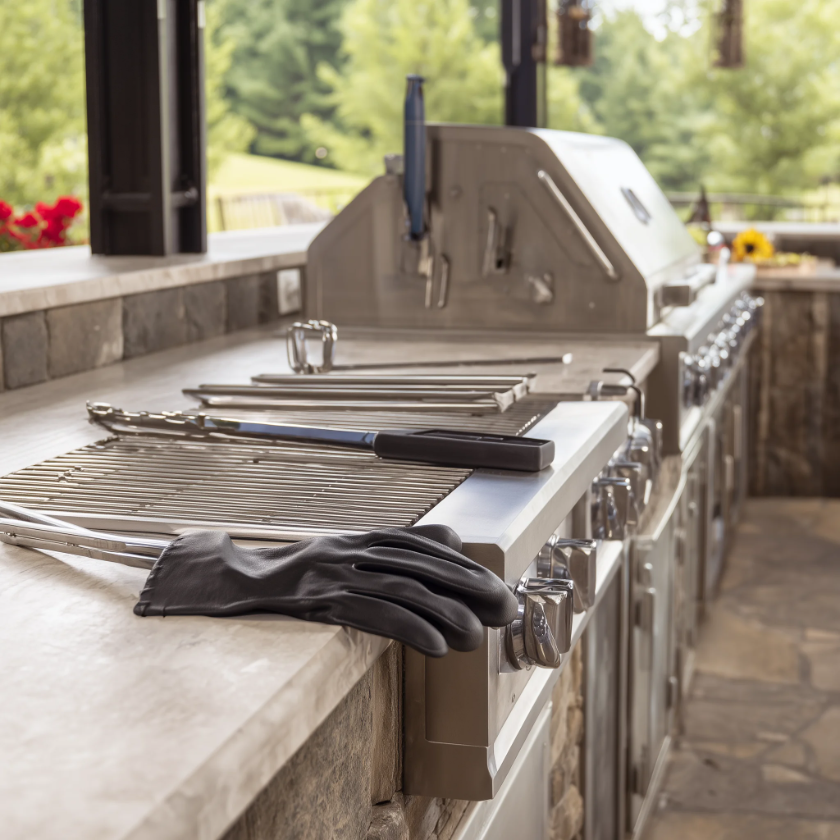
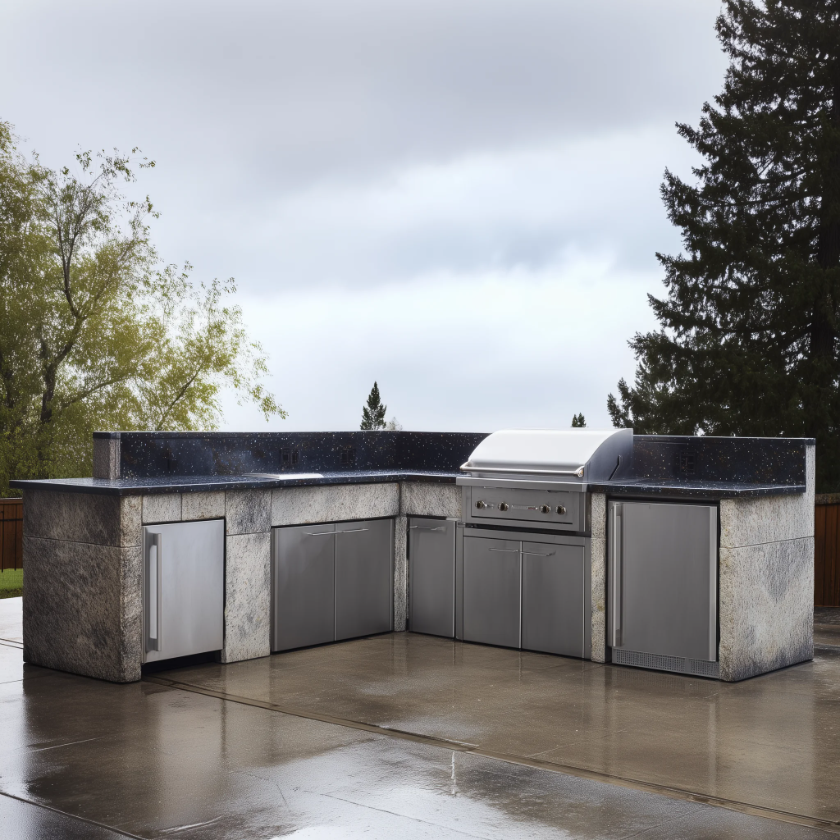
Ecolit Construction plans layouts that reduce accidents. Never leave a hot grill unattended, especially if children are nearby. Keep the cooking area out of high-traffic walkways so guests do not bump into a hot surface or knock equipment over. We design clear “hot” and “cold” zones: the grill and high-heat appliances stay in one area, and food prep stays safely away from them.
We build on stable foundations. Outdoor appliances must sit on flat, level surfaces to prevent tipping or rolling. Patios and properly supported decks are ideal, and the same rule applies to full grill islands.
We protect your property with correct clearances. Keep grills and other hot appliances away from walls, overhead structures, railings, trees, and dry brush. Always check local fire codes and follow the appliance manual. This also helps protect warranties.


We include ventilation in every serious plan. Only grill in open, well-ventilated areas. Semi-closed “indoor-outdoor” spaces can trap fumes, so airflow matters. Keep all vents open and never block them by pushing an appliance tight to a wall. We also do not recommend converting freestanding units into built-ins, because venting often becomes unsafe.
We treat electricity with extra care. Use outdoor-rated appliances, wiring, and outlets. Plug into GFCI outlets, manage cables neatly, avoid extension cords and power strips, and do not operate electric equipment in rain. Inspect cords and connections regularly, and store or cover appliances when the season ends.


